Turning documentary filmmaking inside out
A note on work in progress by Chris Pandza.
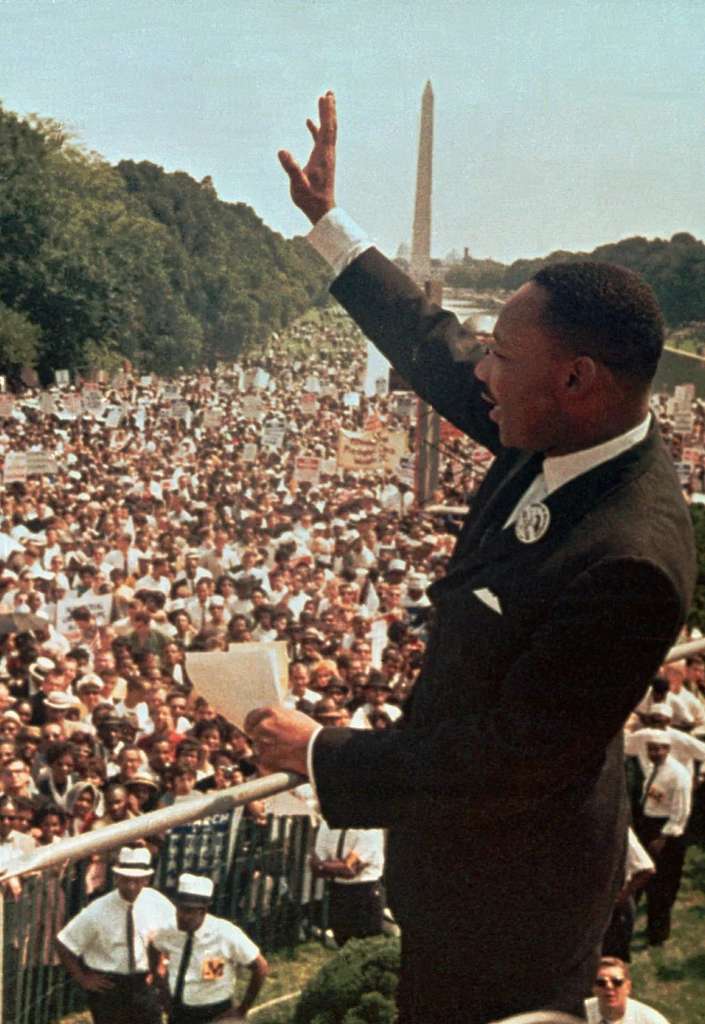
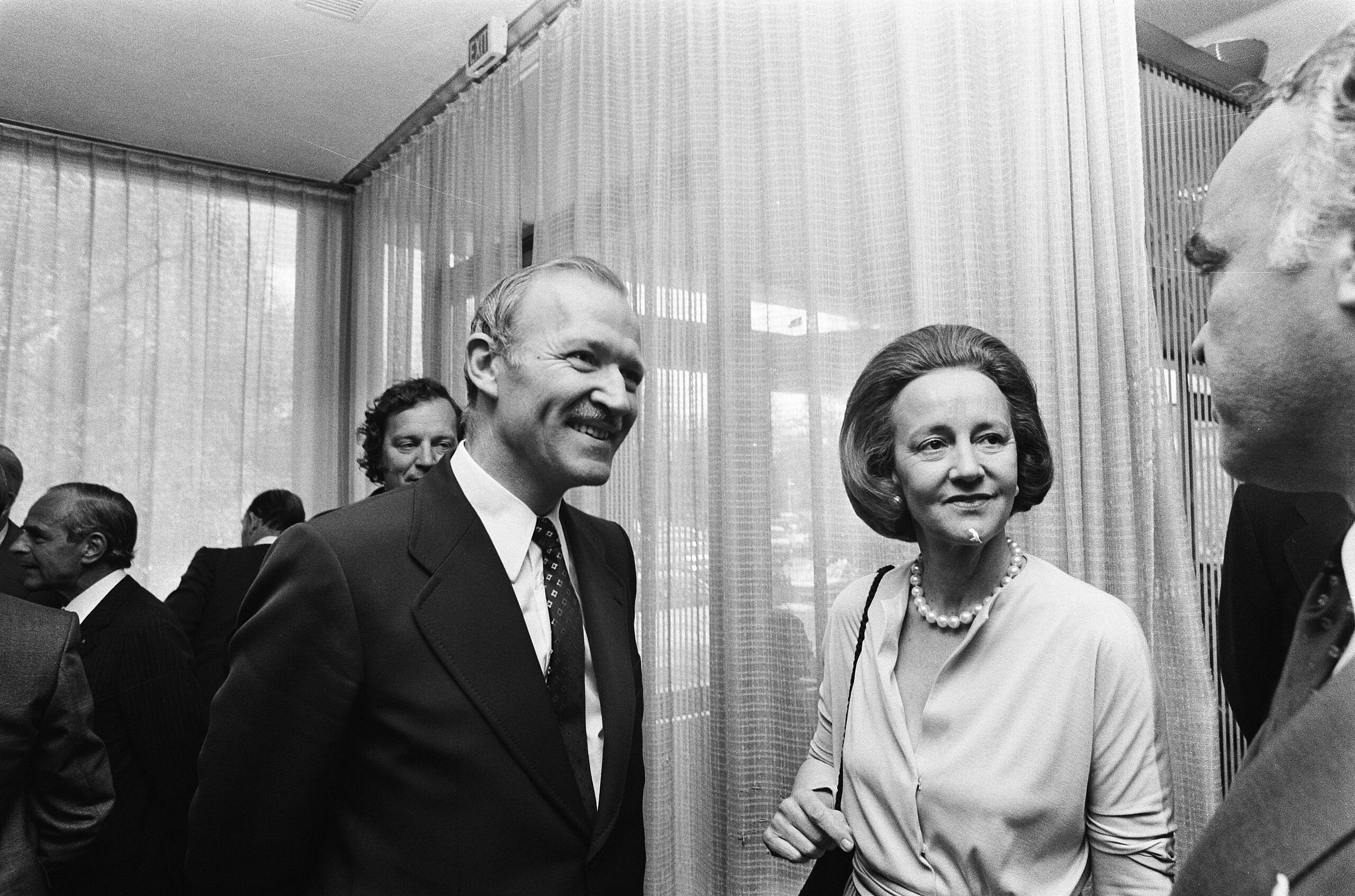
For decades, the Kunhardt filmmaking family has conducted life interviews with influential and inspiring changemakers—John Lewis, Gloria Steinem, Bryan Stevenson, former U.S. presidents, and hundreds more. These conversations form the backbone of their Emmy and Peabody award-winning documentaries, which have introduced a generation of viewers to the people behind social movements and moments of national transformation.
But documentaries share only a fraction of the raw materials captured; the Kunhardts have produced hundreds of hours of interviews beyond what appears in their films—material that offers deeper insights into these changemakers' lives and perspectives. Recognizing the value of this broader archive, Life Stories, a division of the Kunhardt Film Foundation, generously makes these full interviews available online as open educational resources for communities and classrooms. To date, this extraordinary archive of American history and the human experience has released hundreds of hours of content and reached millions of viewers.
The collection's potential to inspire is immense—but its growing scale presents a challenge. How should audiences navigate hundreds of hours of full-length interviews? Traditional organizational methods make it difficult for users to find specific content or compare perspectives across conversations. A university educator searching for first-person accounts of the Civil Rights Movement, a high school student exploring leadership philosophies, or someone navigating grief seeking voices of those who've found meaning after loss might all struggle to discover relevant content—even when those very stories exist within the archive.
This challenge, however, presents an extraordinary opportunity. New approaches to organizing and surfacing this content could reveal connections and thematic threads that transcend individual life stories—enabling audiences to search with intention and encounter voices they might never have found otherwise. But how?
Creating a living archive
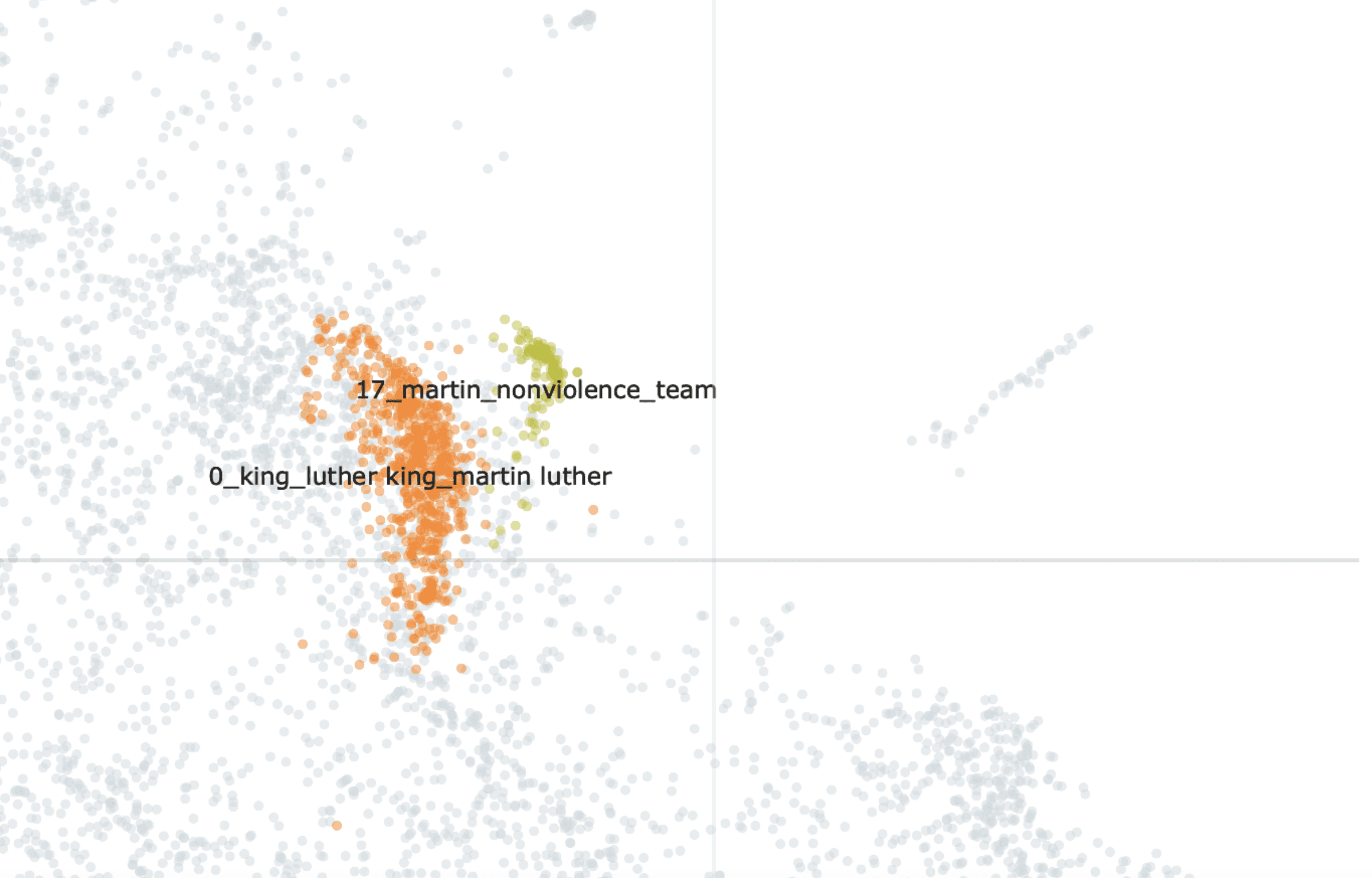
A map of conversations in the Life Stories archive (partial view). Each dot represents a conversation; dots placed near each other cover similar topics.
I'm partnering with the Kunhardt Film Foundation to transform Life Stories into a platform that helps audiences explore this collection in entirely new ways.
This transformation reimagines an archive of hundreds of full-length interviews as thousands of interconnected stories. Rather than browsing by interviewee name or film title alone, users will be able to navigate by multiple lenses, including historical events, social-emotional themes, life experiences, and social contexts. We will activate these lenses through several tools while also allowing users to search and ask questions in their own words.
To make this work possible, we first built a strong technical foundation: repairing and harmonizing materials from different production eras, synchronizing media with transcripts, and transforming full-length interviews into thousands of clips. With this foundation in place, we've begun to interconnect clips and surface new insights into the collection itself. We can now "zoom out" and explore the archive in new ways, testing different curatorial approaches. In the process, we're identifying unexpected connections across the archive.
Currently we are creating deep links between interviews and related films, photographs, and video clips—developing a narrative architecture that will allow audiences to move fluidly between perspectives, topics, and formats.
In 2026, this partnership will culminate in a new digital platform that activates the archival transformation and puts audiences in the director's chair. Users can follow curated pathways or forge their own, ask focused questions, or discover unexpected connections—building a personalized experience of the archive.
Transparency, technology, and the stories that make us human
At a moment when the public is increasingly turning to artificial intelligence for guidance and meaning-making, this partnership demonstrates a different application of computational methods: amplifying human wisdom rather than replacing it. Technology here serves to connect audiences with the lived experiences of changemakers, not to generate synthetic answers to life's deepest questions.
The platform also advances radical transparency in documentary filmmaking. By making full interviews publicly accessible alongside finished films, audiences can see the raw materials that informed each documentary—understanding the film itself as one curatorial layer among many possible interpretations. In an era of widespread concern about media literacy and editorial bias, this approach offers audiences the tools to draw their own conclusions about how stories are shaped.
This work also offers a model for organizing archival materials around social-emotional dimensions without flattening their complexity. The methods we're developing could help museums, libraries, and oral history projects make their collections more discoverable while preserving the nuance and context that give historical materials their power.
Learn more
Building the most inclusive presidential archive of all time
In an archive with some of the most famous voices on earth, how do we ensure lesser-known perspectives don't get overlooked?
Making history with America's elders
Building narrative infrastructure to ensure 230+ underrepresented elder voices reach their inheritors—online, on site, and on the dance floor.