Making history with America's elders
Case study by Chris Pandza, who led the project's Webby Award-winning digital archive with public historian Madeline Alexander at Columbia University between 2023–2025.
Established by award-winning author Jacqueline Woodson, the Baldwin-Emerson Elders Project captures and celebrates untold and underrepresented stories of activists, storytellers, and community builders who have witnessed and shaped great change in American life.
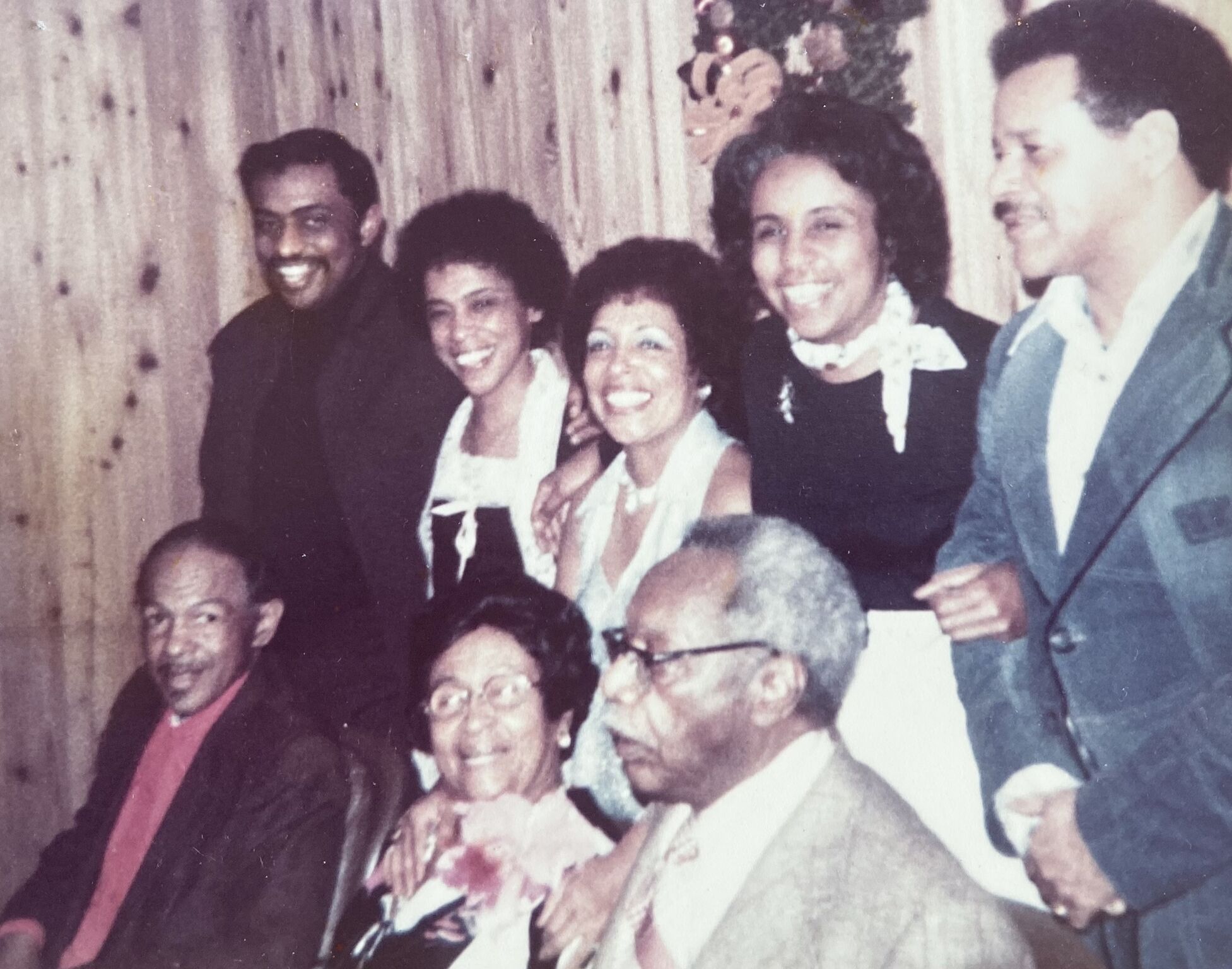
Between 2023 and 2024, the Elders Project partnered with ten writers in ten communities to capture over 230 oral history interviews and 1,000 personal mementos. The project aimed to preserve and share the memories of Black, Brown, Asian, Latine, Indigenous, and queer elders at risk of being lost to time.
The Elders Project is archived at the Oral History Archives at Columbia, made widely available through an award-winning digital archive, and has been interpreted through plays, books, artwork, music, and community events across America.
Challenge
With hundreds of hours of interviews captured and a library partner to preserve them in perpetuity, our team knew that only half of our work was done. This project's stories were captured to be inherited and interpreted, not just preserved.
However, large oral history archives are notoriously difficult to navigate—both because of their richness and scale but also because they struggle to meet audiences where they already are.
Approach
I teamed up with public historian Madeline Alexander, who was producing the project, to push the limits of how usable, dynamic, and beautiful oral history archives could be, both online and in communities across the country.
Our strategy involved building cutting-edge digital narrative infrastructure and using that infrastructure to engage inheritors and interpreters in responding to and gathering around the archive.
Reimagining digital oral history
We first aimed to transform our recordings and transcripts into a highly interconnected, searchable database that could be used by interpreters to efficiently find materials while also stumbling on unexpected connections.
We adapted several computational techniques to interconnect the project's unique and varied stories, transforming 420 hours of interviews into 20,000 clips connected by topic and theme. These innovations revealed the archive's latent structure and allowed our team to more closely reflect the agendas of interviewees in our research and curatorial choices.
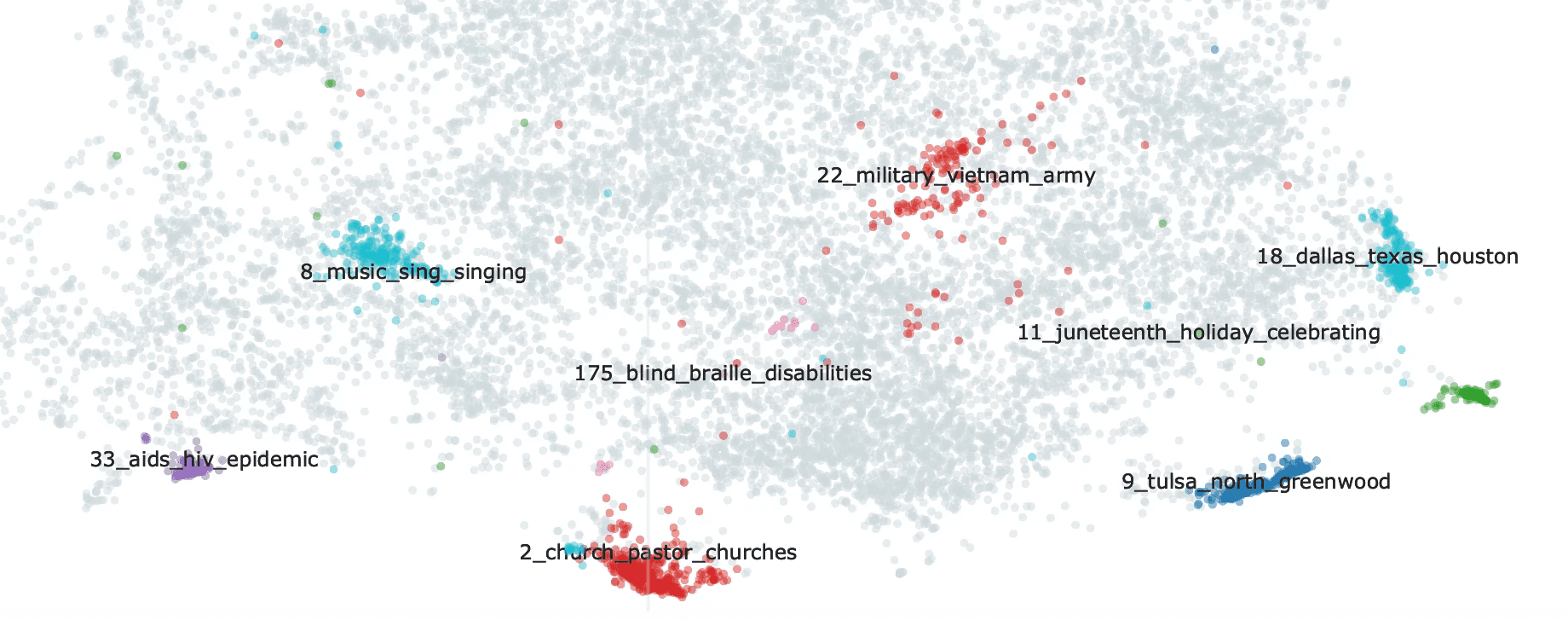
Partial map of 20,000+ related stories in the Elders Project archive. Each dot represents one story; proximity indicates similarity in meaning.
To ensure the archive could be accessed from anywhere with an internet connection, we partnered with creative studio Huncwot to create visual language for the project and activate our database online. The resulting digital archive provides multiple pathways for discovering each narrator's interview, including curated essays, maps, and topic filters. As explored in It’s Nice That, the archive’s vibrant illustrations are also induced entirely from the interviews themselves—featuring flora, fauna, places, and events that are mentioned in each collection’s interviews.
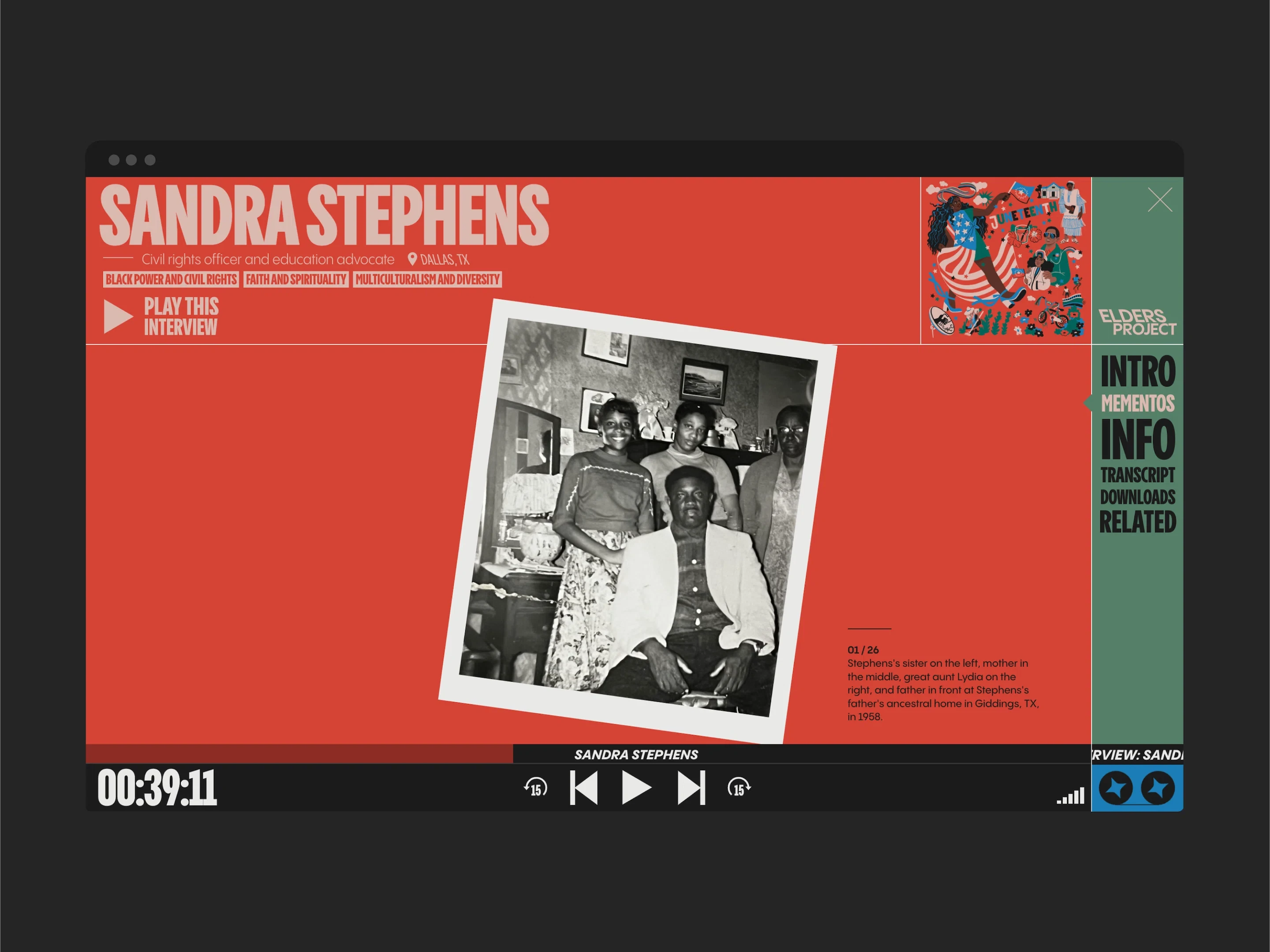
In 2024, the digital archive won a Anthem Award (Gold), and in 2025 the archive won a Webby Award and the Oral History Association's Mason Multi-Media Award.
Explore the project's digital archive.
Storytelling and inheritance
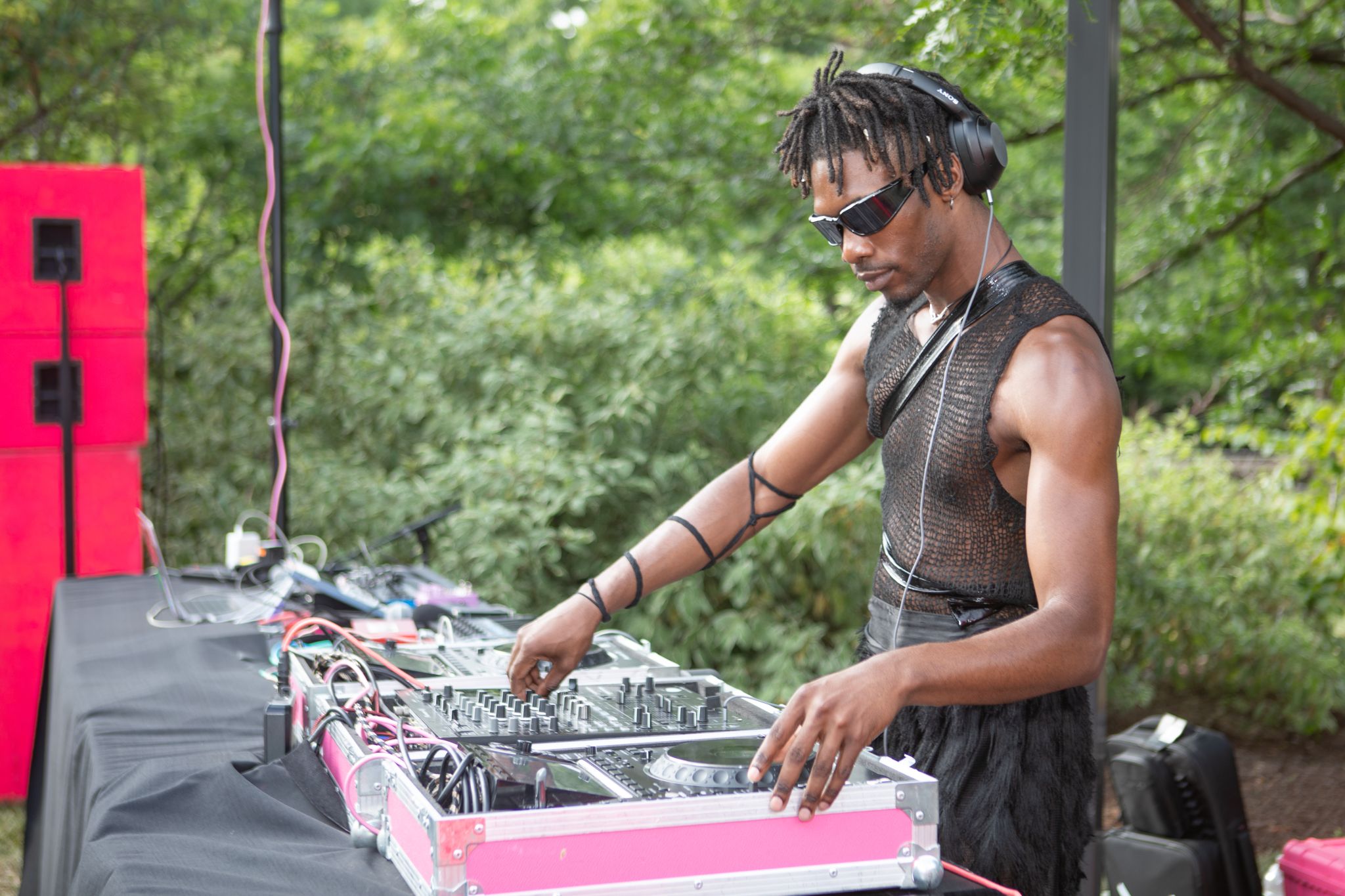
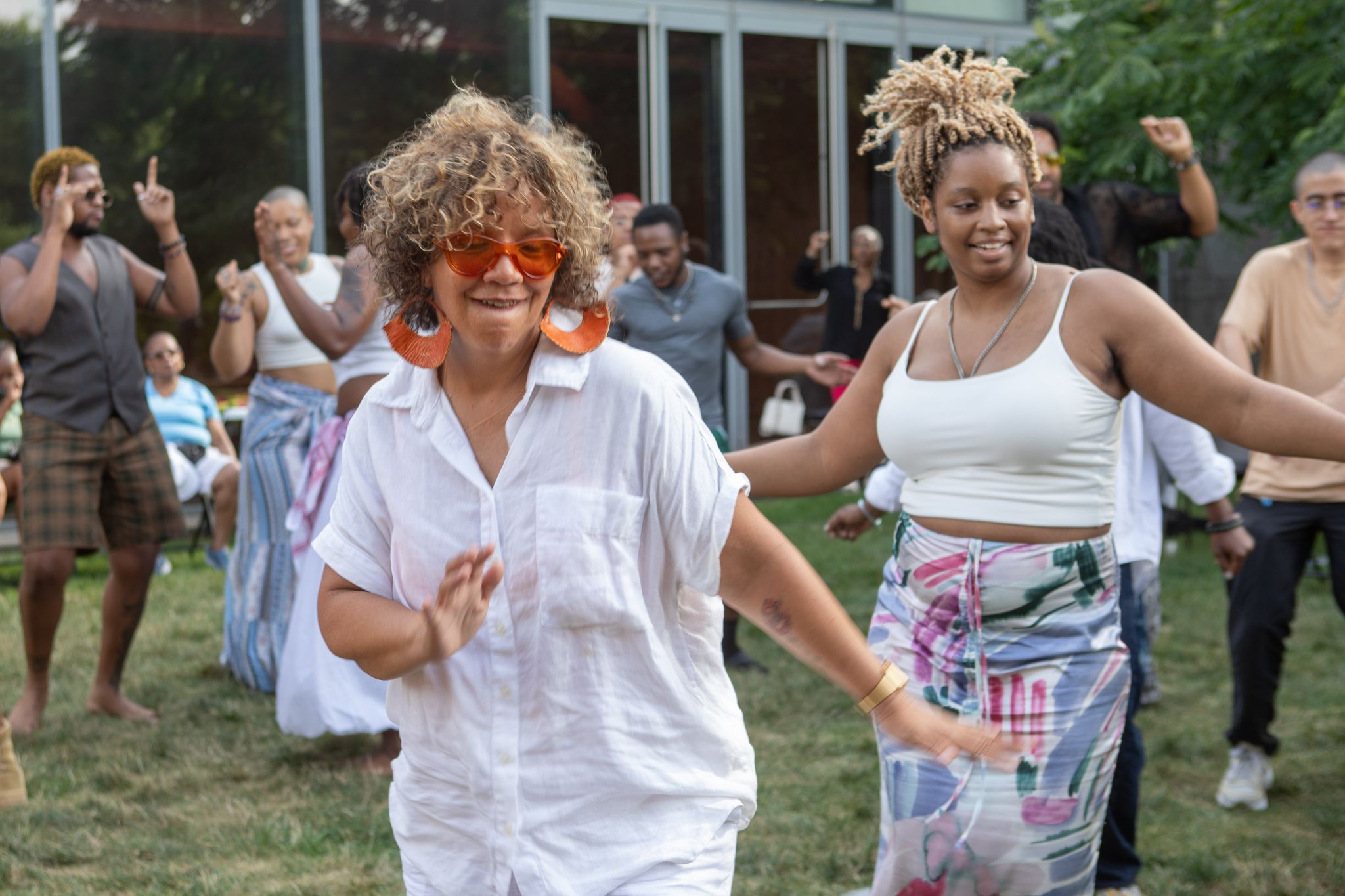
Viper (DJ, pictured top) samples oral history interviews at a celebration of Black queer elders' stories at Weeksville Heritage Center. Summer 2025.
To launch the project, Madeline Alexander supported the project's writers in planning and executing community events per visions they developed with the elders they interviewed. Renée Watson, for example, held a storytelling event and rose ceremony for Black elders and the public at Portland’s World Stage Theatre. Ellery Washington held performances and a gallery opening at the African American Performing Arts Center of New Mexico for elders and their families. The project provided funding, equipment, and on-site support, working with local vendors, elders, and their families to realize their vision.
For our national opening at the Center for Brooklyn History in New York City in May 2024, we held an open call for emerging artists, asking them to have a conversation with the archive in the media of their choice. We provided eleven artists with custom story playlists developed with our digital infrastructure, which they responded to with poetry, paintings, sculpture, and time-based art.
In August 2024, we held a week-long show at Brooklyn’s Bishop Gallery, where these same artists held talks and met with the public. Over 60% of the project’s total budget went directly to writers, artists, and other creators to support creative interpretation. In Summer 2025, the Elders Project was celebrated at Weeksville Heritage Center. Participants listened to an interviewee panel and danced as DJs sampled and responded to oral histories.
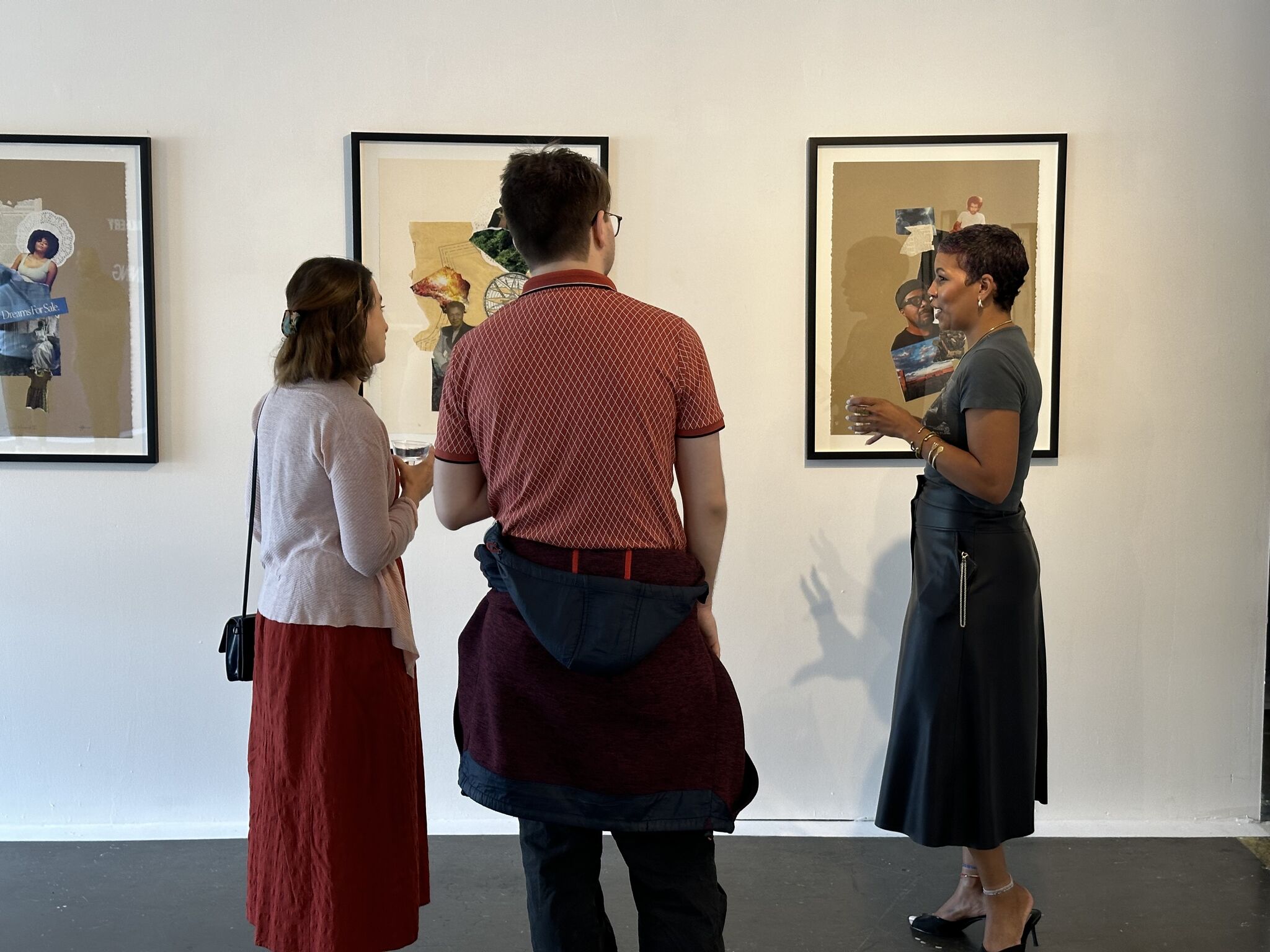
Philadelpha-based artist Jillian M. Rock discusses her collage series based on the Elders Project, Celestial Movements, with visitors at The Bishop Gallery in Brooklyn, NY. Summer 2024.
Through our multi-pronged approach, the Elders Project continues to reach and inspire thousands of inheritors every year. We are deeply grateful to the hundreds of elders who shared their stories, the dozens of creatives who responded to the archive, and the thousands of visitors who are ensuring that these stories survive.
Team
The Elders Project was created by Jacqueline Woodson, produced by Madeline Alexander, and digitally curated by Chris Pandza, in partnership with award-winning studio Huncwot. The project was a collaboration between Woodson's nonprofit, Baldwin For The Arts, and the Columbia Center for Oral History Research. For a full list of contributors, visit the project's website.
Recognition
The project has been honored with a Webby Award (2025), a Communicator Award (2025), the Oral History Association's Mason Multi-Media Award (2025), and an Anthem Award (2024).
Learn more
Explore the digital archive.
Get in touch with Chris Pandza or Madeline Alexander.
"Healthy Distance: Critical Computational Curation in Oral History Archives", expanded case study by Chris Pandza for Oral History Review
"The Baldwin-Emerson Elders Project reimagines the possibilities of an oral history archive" by Daniel Milroy Maher for It's Nice That
So Many Stars: An Oral History of Trans, Nonbinary, Genderqueer, and Two-Spirit People of Color by Caro De Robertis
Turning documentary filmmaking inside out
An ongoing project with the Kunhardt Film Foundation stands to change the way we experience history.
Building the most inclusive presidential archive of all time
In an archive with some of the most famous voices on earth, how do we ensure lesser-known perspectives don't get overlooked?